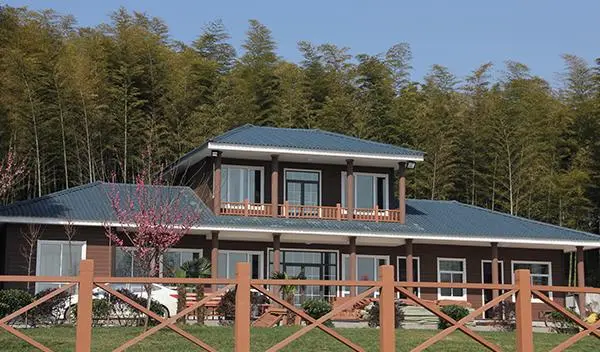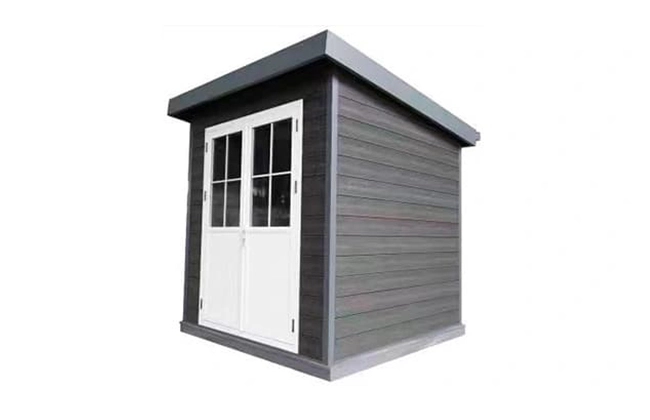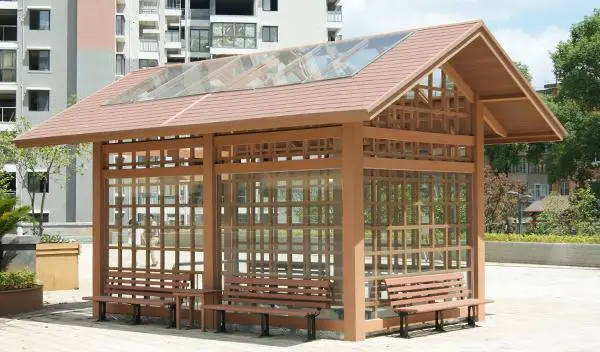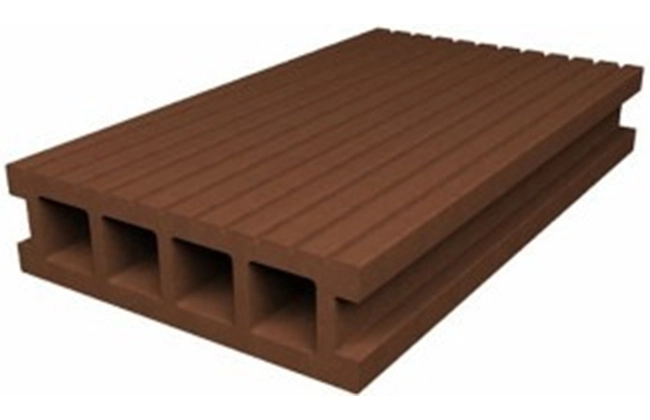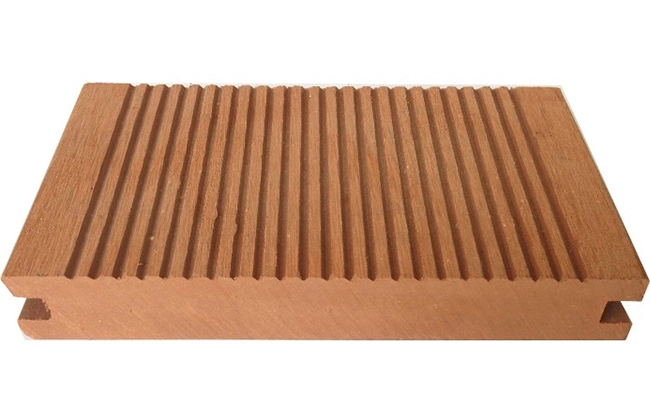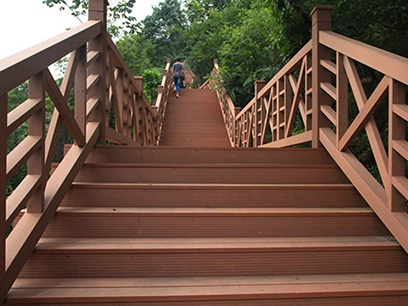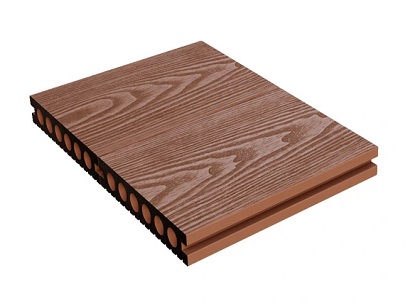
Exterior wall cladding rarely experiences one type of weather in isolation. A façade may spend hours in direct sun, cool rapidly after sunset, become soaked during rainfall, and then dry again the following day. Over years of service, these repeated cycles matter more than a single hot afternoon or heavy storm.
This is where co extrusion cladding differs from conventional WPC products. A co-extruded profile combines a composite core with an outer protective layer formed during the extrusion process. The surface layer helps protect the underlying material from direct exposure to sunlight, moisture, stains, and everyday environmental contamination. It improves outdoor durability, but it does not remove the need for correct façade design.
For architects, contractors, distributors, and developers considering WPC co extrusion wall cladding, the practical questions are therefore not simply whether the material is weather resistant. It is more useful to ask how the surface changes in sunlight, how rainwater leaves the wall, how boards move as temperatures change, and whether the fixing system continues to accommodate that movement over time.
Sunlight is one of the most persistent influences on an exterior cladding surface. UV radiation, heat, and repeated heating and cooling can gradually alter the appearance of many outdoor materials. The rate and visibility of those changes depend on the material formulation, colour, surface finish, orientation of the façade, and local climate.
The outer layer of co extrusion cladding is designed to provide additional protection between the environment and the composite core. This is one reason co-extruded products are often considered for façades where colour consistency and appearance over time are important.
That does not mean every wall will age in exactly the same way. A dark south- or west-facing elevation that receives strong afternoon sun can experience different surface temperatures from a shaded wall on the same building. Roof overhangs, nearby buildings, trees, balconies, and window projections can also create areas of uneven exposure.
For large façades, this is worth considering before colour selection. A sample viewed indoors may not fully represent how the finish will look under bright daylight or after prolonged outdoor exposure. Designers should assess colour, texture, and surface pattern in conditions that are reasonably close to the final application.
It is also useful to distinguish gradual weathering from premature material failure. Small visual changes over a long period are normal for most exterior finishes. Rapid, uneven, or highly localised changes may instead point to differences in exposure, contamination, drainage, or installation conditions.
When selecting a profile, project teams can compare Sundi WPC's available WPC cladding and outdoor product options against the façade orientation, desired finish, and expected weather exposure rather than making the decision on colour alone.
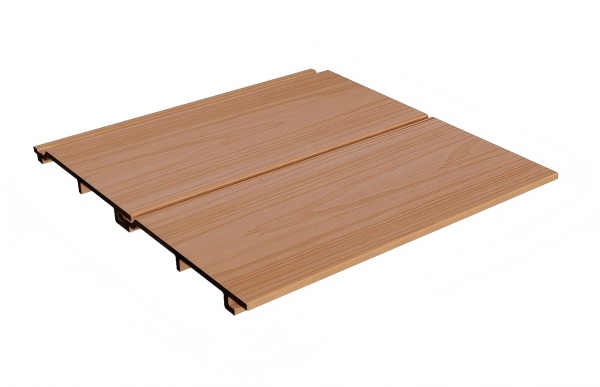
Rain affects more than the visible face of a wall. Water reaches joints, corners, openings, flashings, and the space behind the cladding. If it can drain and the assembly can dry, periodic wetting is generally manageable. Problems are more likely when water becomes trapped.
The protective surface of WPC co extrusion wall cladding helps reduce direct moisture exposure to the composite core, but the wall still needs to be detailed as a complete exterior system. Cladding should not be expected to compensate for poor drainage behind the boards or incorrectly detailed window and roof connections.
A practical façade design gives rainwater a clear path downward and outward. It should also avoid pockets where water, leaves, dust, or other debris can remain against the profiles for long periods. Bottom edges, corners, window openings, parapets, and transitions to other materials deserve particular attention because these are common places for water to collect.
Drying is equally important. A wall that becomes wet during a storm and dries relatively quickly is exposed to a different moisture condition from one that remains damp because airflow is restricted. A ventilated cavity or suitable supporting arrangement can help moisture escape from behind the cladding rather than remaining enclosed.
These details become more important in shaded buildings, coastal environments, areas with frequent rainfall, and walls close to vegetation. They also make future cleaning and inspection easier. The goal is not to prevent the exterior from ever becoming wet; it is to prevent normal rain exposure from turning into persistent trapped moisture.
Temperature affects the dimensions of WPC profiles. As outdoor temperatures rise and fall, boards expand and contract. The movement may be modest at any one moment, but repeated seasonal cycles need to be considered across the full length of an installed profile.
This behaviour is particularly important on long wall elevations. A board installed tightly between fixed elements has limited room to move. When temperatures rise, pressure can develop at board ends, joints, clips, or adjacent architectural features. The result may appear as uneven joints, local bowing, fixing stress, or changes in alignment.
The opposite situation can occur when temperatures fall. If joint planning has not considered contraction, gaps that initially appeared small may become more visible.
For this reason, co extrusion cladding should not be installed as though it were dimensionally fixed under every weather condition. Board length, installation temperature, façade orientation, local temperature range, fastening method, and profile design all influence how movement should be accommodated.
Movement also needs to be considered where cladding meets windows, doors, corners, soffits, metal trims, or other rigid building elements. Those surrounding materials may respond to temperature changes differently from WPC. A well-planned joint allows each part of the façade to behave as intended without one material placing unnecessary pressure on another.
There is therefore no useful universal expansion gap for every WPC co extrusion wall cladding project. Product-specific installation requirements and actual site conditions should guide the final detail.
One of the main reasons for choosing a co-extruded profile is the additional protection provided by its outer layer. Compared with an uncapped composite surface, that layer reduces the direct exposure of the core material to sunlight, rain, dirt, and common stains.
Over long periods outdoors, however, the façade still needs to cope with more than UV radiation. Wind carries dust and fine particles onto the wall. Rainwater can leave deposits as it dries. Shaded areas may collect organic material more readily, while lower sections of a façade can receive splash-back from paving or soil.
The appearance of co extrusion cladding after years of service therefore depends partly on material quality and partly on the environment around the building. A wall facing a busy road may need different cleaning attention from an upper-storey façade. A garden wall next to dense planting may behave differently from an open commercial elevation.
Cleaning should generally focus on removing contaminants before they form persistent deposits. Harsh treatment should not be assumed to be necessary simply because the material is used outdoors. The cleaning method should remain compatible with the surface finish and the manufacturer's recommendations.
Inspection is useful as well. Rather than looking only for colour changes, check board alignment, joints, edges, trims, clips, and the condition of the supporting system. This makes it easier to distinguish normal surface ageing from movement or moisture issues caused elsewhere in the façade.
| Outdoor Exposure | Conventional Exposed WPC Surface | Co-Extruded WPC Cladding | What Still Depends on Installation |
|---|---|---|---|
| Sun and UV exposure | Composite surface is directly exposed to weathering | Outer protective layer provides additional protection to the core | Façade orientation, colour choice, joint design, and ventilation |
| Rain exposure | Surface receives direct wetting | Protective surface reduces direct exposure of the core | Drainage, flashings, cavity design, and detailing around openings |
| Temperature changes | Boards expand and contract | Boards still expand and contract | Expansion gaps, board lengths, clips, and fixing positions |
| Dust and stains | Contamination contacts the composite surface directly | Protective outer layer generally provides a more resistant surface | Cleaning frequency and surrounding environmental conditions |
| Long-term appearance | Depends strongly on formulation and exposure | Protective layer is intended to improve exterior surface performance | Maintenance, drainage, installation quality, and site exposure |
The comparison is important because co-extrusion technology improves the exposed surface, but it does not change the basic rules of exterior wall construction. Water still needs to drain, boards still need room to move, and fixings still need to remain secure.
Good fixing details do two jobs at once: they keep the cladding securely attached to the wall while still allowing the boards to respond to changing outdoor temperatures.
Fixing every profile as rigidly as possible may seem reassuring during installation, but excessive restraint can create problems later. If the board is unable to move where movement is expected, thermal stress is transferred to clips, screws, joints, or the profile itself.
The supporting structure should first provide a straight and stable installation plane. From there, fixing positions, clip systems, board lengths, end clearances, and joints can be planned around the selected profile. Where the system uses hidden clips, they should be installed in the way intended for that particular board rather than substituted casually with unrelated hardware.
Fastener durability matters as well. Exterior wall systems are exposed to humidity and rain for years, so fixings need to be suitable for the supporting material and local environment. Coastal projects or other corrosive environments may need additional consideration when fastener materials are selected.
It is also worth looking at the façade as a whole rather than treating each board independently. A small amount of movement across one profile may not look significant, but on a long elevation the layout of repeated joints can influence both appearance and performance. Planned board lengths and consistent fixing details make that movement easier to manage.
For projects involving large façades, unusual board lengths, high sun exposure, coastal conditions, or specific colour and profile requirements, those details are best defined before ordering. Sharing the elevation dimensions, substrate, climate, fixing arrangement, and appearance requirements when discussing the cladding project with Sundi WPC gives the supplier a clearer basis for recommending a suitable profile and installation approach.
The outdoor performance of co extrusion cladding comes from two things working together: the protective co-extruded surface and a wall system that has been designed for real weather exposure.
The outer layer helps protect the composite core from direct sunlight, moisture, stains, and everyday environmental contamination. At the same time, rainfall still needs somewhere to drain, the rear of the cladding needs appropriate drying conditions, and the boards need enough freedom to expand and contract as temperatures change.
This is why WPC co extrusion wall cladding should be selected with the building rather than in isolation from it. Façade direction, climate, board length, supporting structure, fixing method, surrounding materials, and maintenance access all influence how the installation will look and perform years after completion.
When these details are addressed early, co-extruded WPC cladding can provide a practical exterior finish with consistent design possibilities and lower day-to-day maintenance demands than many traditional exposed surfaces.
Co extrusion cladding is a composite wall profile made with a WPC core and an outer protective layer formed during the extrusion process. The outer surface helps protect the core from direct weather, UV exposure, moisture, and common stains.
The protective surface is designed to improve resistance to outdoor weathering, but no exterior finish should be assumed to remain completely unchanged indefinitely. Colour, UV exposure, façade orientation, climate, and material formulation all affect long-term appearance.
It is better described as highly suitable for exterior moisture exposure rather than treating the entire façade as waterproof. The wall system still needs correct drainage, joints, flashings, and detailing to manage rainwater.
Yes. WPC profiles respond to temperature changes. Appropriate gaps, fixing positions, board lengths, and installation details should therefore allow for expected expansion and contraction.
Exterior cladding should be designed so that moisture does not remain trapped behind the surface. Suitable ventilation and drainage help the assembly dry after rainfall and support more consistent long-term performance.
Routine maintenance mainly involves keeping the surface and drainage areas free from accumulated dirt, leaves, and other contaminants. Periodic inspection of joints, fixings, trims, and board alignment is also useful for identifying installation issues early.