For distributors, builders, contractors, and outdoor material brands, WPC extrusion is no longer simply about producing composite boards at scale — it is about preventing the after-sales problems that buyers fear most and that damage business relationships most severely: fading that makes a premium façade look neglected within two years, cracking that creates warranty claims and replacement costs, swelling that distorts carefully installed wall cladding, mold growth that generates customer complaints in humid climates, and surface stains that make low-maintenance composite materials look worse than the natural timber they were supposed to replace. These are not theoretical risks — they are the recurring complaints that have driven the outdoor building materials market toward a fundamental technology shift, from traditional single-layer WPC extrusion to modern co extrusion cladding that wraps the composite core in a protective polymer shield designed to defend the board surface against the outdoor conditions that degrade unprotected composite materials.
Co extrusion cladding uses a protective outer layer to shield the WPC core from UV radiation, moisture, temperature fluctuations, stains, and biological growth — helping reduce the risk of the surface damage, fading, and long-term degradation that generate the after-sales complaints and warranty costs that erode distributor margins and contractor reputations. Sundi's co-extrusion cladding is positioned as a durable exterior wall solution with resistance to UV rays, moisture, and temperature fluctuations, available in various colors and textures for architectural applications — providing the performance upgrade and design flexibility that premium outdoor building material buyers require.
This guide covers the complete picture for building material importers, façade contractors, landscape companies, developers, and procurement teams: why outdoor fading, cracking, and mold become costly complaints, what WPC extrusion is and how co-extrusion technology improves on traditional single-layer composite manufacturing, how the co-extruded protective shield works to defend the board surface against outdoor threats, how to evaluate co-extrusion cladding components for long-term performance, and what maintenance practices protect the investment in premium co-extruded outdoor cladding.
The commercial case for upgrading from traditional single-layer WPC extrusion to co extrusion cladding starts with an honest assessment of the specific failure mechanisms that outdoor conditions create in unprotected composite surfaces — and why each failure mechanism has after-sales consequences that far exceed the cost difference between uncapped and capped WPC products.
UV-induced color fading is the most visible and most commercially damaging failure mechanism in traditional WPC extrusion — because it is immediately apparent to the end customer, it cannot be repaired without replacement, and it occurs progressively over the first two to three years of installation when the product is most visible to neighbors, visitors, and potential referral customers. When the wood fiber and plastic matrix of an uncapped WPC board is directly exposed to UV radiation, the pigments and surface materials degrade — creating the chalky, faded appearance that makes a premium outdoor installation look neglected and generates the warranty claims and replacement demands that erode distributor margins and contractor reputations.
Moisture absorption and biological growth is the performance failure that most directly affects product integrity in humid, coastal, and shaded environments. Traditional WPC extrusion creates a composite surface that, while significantly more moisture-resistant than natural timber, still allows some moisture absorption at the surface — creating the conditions that support mold and mildew growth in humid or shaded installations. For distributors selling into tropical, coastal, or high-humidity markets, mold growth on installed cladding is the complaint that most severely damages brand reputation because it is visible, persistent, and associated with poor product quality in the customer's perception.
Surface cracking from temperature cycling is the structural failure that most directly affects the long-term integrity of outdoor cladding installations in climates with significant temperature variation. As outdoor temperatures cycle between hot summer days and cold winter nights, the thermal expansion and contraction of the composite material creates stress at the surface — and in unprotected WPC extrusion, this stress can eventually create surface cracks that allow moisture ingress, accelerate degradation, and create the structural damage that requires panel replacement rather than simple cleaning or maintenance.
Understanding what WPC extrusion is — and how the transition from traditional single-layer composite manufacturing to modern co-extrusion technology addresses the specific outdoor performance limitations that generate after-sales complaints — is essential for procurement teams evaluating outdoor cladding specifications for premium building projects.
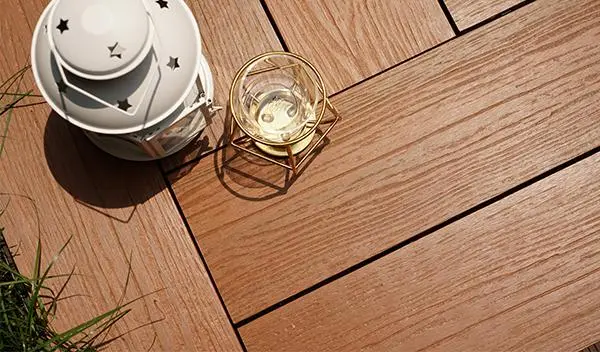
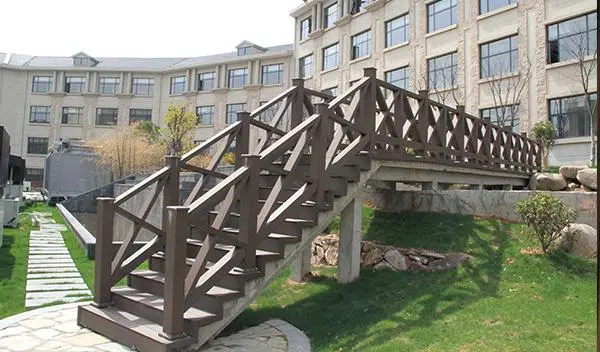
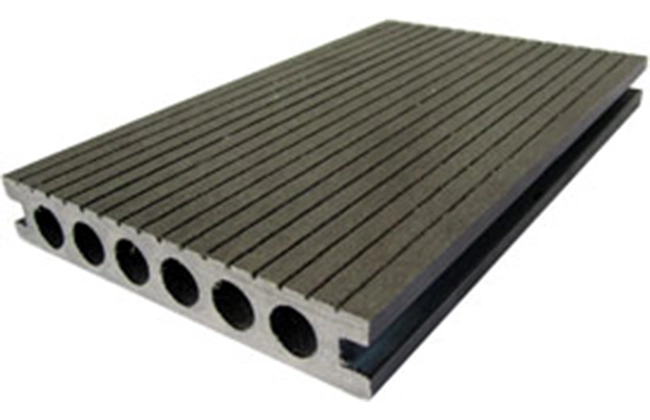
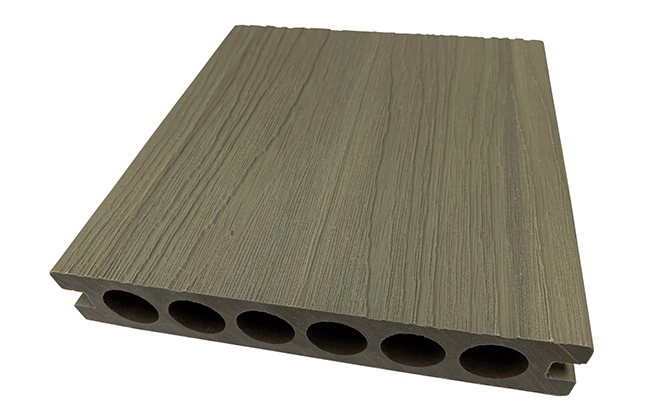
WPC extrusion is a manufacturing process that combines wood fibers or wood flour with thermoplastic materials and additives, then extrudes the mixture into profiles such as decking, fencing, railing, wall cladding, and outdoor panels. Traditional WPC extrusion creates a single-layer composite profile where the wood-plastic composite body is directly exposed to outdoor conditions — providing good structural performance and significant improvement over natural timber in moisture resistance and dimensional stability, but leaving the composite surface vulnerable to the UV radiation, moisture cycling, and biological growth that degrade appearance and performance over time.
Co-extrusion adds a second protective surface layer during manufacturing — extruding the structural WPC core and the protective polymer cap simultaneously so that they bond together as a single integrated product. Sundi describes co-extrusion cladding as a process for producing high-performance composite materials by combining the best properties of different materials, making it suitable for a wide range of exterior applications.
| Performance Factor | Traditional Uncapped WPC Extrusion | Co-Extrusion Capped WPC Cladding |
|---|---|---|
| Structure | Single-layer wood-plastic composite | WPC core with protective polymer outer cap |
| UV resistance | Depends on base formulation — surface exposed | Stronger protection when UV-resistant cap is used |
| Water resistance | Good, but surface exposure remains a concern | Better moisture barrier with capped surface |
| Stain resistance | Moderate — composite surface absorbs stains | Stronger surface stain resistance from polymer cap |
| Mold risk | Higher in humid or shaded areas | Lower when moisture access is reduced by cap |
| Appearance stability | More vulnerable to weathering over time | Better long-term color and texture retention |
| Maintenance requirement | Higher — more frequent cleaning and treatment | Lower — cap surface easier to clean and maintain |
| Best application | Budget-sensitive outdoor projects | Premium façades, villas, commercial exteriors, long-term projects |
The technical mechanism by which the co-extruded polymer cap protects the WPC core from UV radiation, moisture, stains, and biological growth — and why this protection creates the performance difference between capped and uncapped WPC extrusion that procurement teams need to understand when specifying outdoor cladding for premium projects — is the core product knowledge that separates informed buyers from those who discover the difference through after-sales complaints.
In modern WPC extrusion co-extrusion technology, the structural core and the protective outer layer are extruded together in a single manufacturing process — creating a bond between the core and cap that is integral to the product rather than applied as a coating that can peel, crack, or delaminate. The core provides the structural strength and dimensional stability that the cladding profile requires, while the outer cap acts as a protective shield against the outdoor conditions that degrade unprotected composite surfaces.
Sundi's co-extrusion cladding page explains that the outer layer protects the core material from external elements, reducing the risk of damage, fading, and degradation over time — providing the performance assurance that premium outdoor building material buyers require.
| Outdoor Threat | How the Co-Extruded Cap Helps |
|---|---|
| UV radiation | UV-resistant polymer cap helps protect color and surface finish from solar degradation |
| Rain and humidity | Cap reduces direct moisture contact with the wood-fiber-containing core |
| Mold and mildew | Reduced moisture access limits the conditions that support biological growth |
| Scratches and stains | Polymer cap provides a tougher, less porous outer surface |
| Temperature fluctuation | Cap helps maintain exterior surface stability through thermal cycling |
| Dirt and pollution | Smoother cap surface is easier to clean than porous composite surfaces |
Capped WPC extrusion means the composite core is protected by an additional outer polymer layer that is co-extruded with the core — providing UV resistance, moisture barrier performance, stain resistance, and mold protection that the composite core alone cannot deliver. Uncapped WPC extrusion means the wood-plastic composite body is directly exposed to outdoor conditions — providing good structural performance but leaving the surface vulnerable to the UV, moisture, and biological growth that degrade appearance and generate after-sales complaints over time.
For buyers comparing the two options for long-term façade projects where color retention, water resistance, lower maintenance, and after-sales confidence are priorities, capped co-extrusion is the technically superior choice — and the choice that reduces the warranty risk, replacement cost, and customer complaint exposure that make uncapped WPC a false economy in premium outdoor applications.
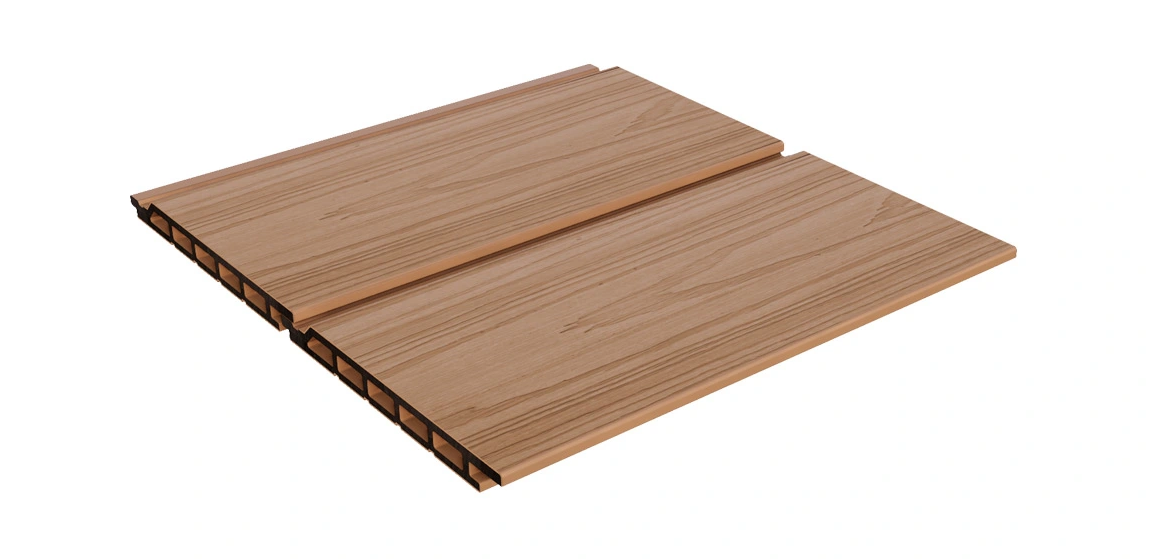
The systematic evaluation of co extrusion cladding components — WPC core formulation, protective cap layer, surface texture, color stability, profile geometry, and installation system — against the requirements of the specific outdoor building application is the technical procurement knowledge that ensures the selected product delivers the long-term performance the project requires.
| Component | Function | Buyer Evaluation Criterion |
|---|---|---|
| WPC core | Provides structural body and profile strength | Density, formulation, dimensional stability |
| Protective cap layer | Shields surface from UV, stains, and moisture | Cap coverage, bonding integrity, UV additive specification |
| Color layer | Defines appearance | Color stability, batch consistency, UV resistance |
| Surface texture | Creates woodgrain or architectural finish | Anti-slip feel, visual depth, scratch resistance |
| Profile design | Determines wall appearance and installation fit | Hollow or solid design, width, thickness |
| Fastener system | Supports installation | Hidden clips, screws, expansion gap design |
| Edge and joint design | Prevents moisture intrusion | Proper spacing and sealing details |
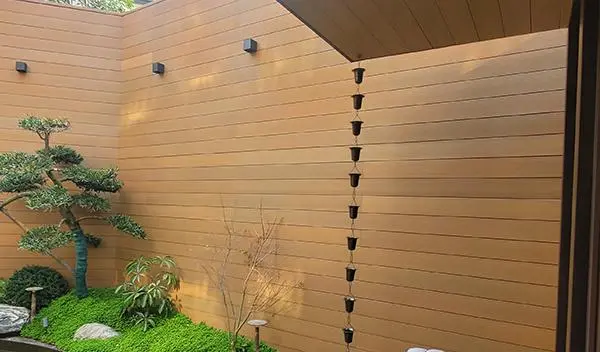
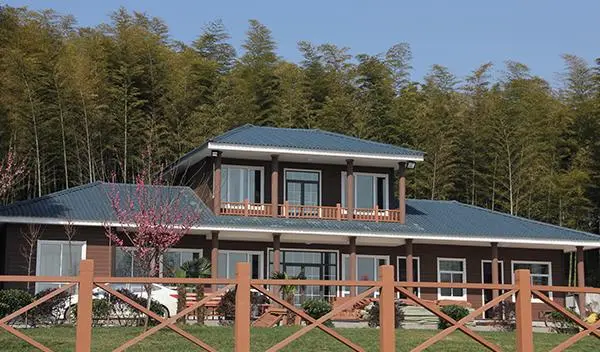
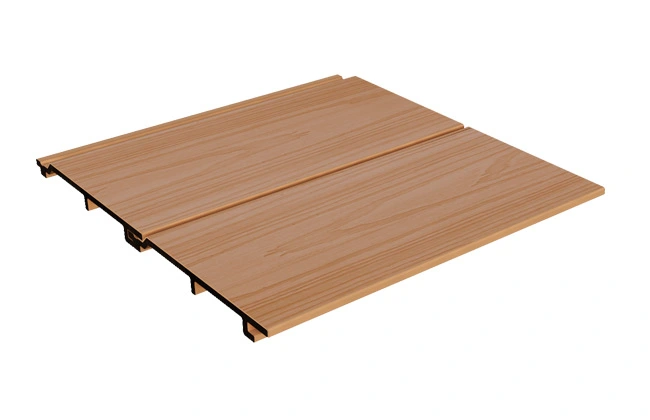
Sundi's co-extrusion cladding is available in several product types including YD170Y18, YD170H18, and YD219H26 co-extrusion cladding profiles, with multiple finishes, colors, and textures that allow buyers to match different exterior design styles — from natural woodgrain effects to modern linear wall profiles for villa, resort, and commercial façade applications.
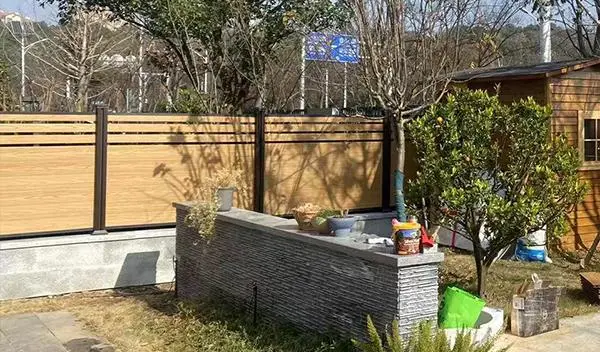
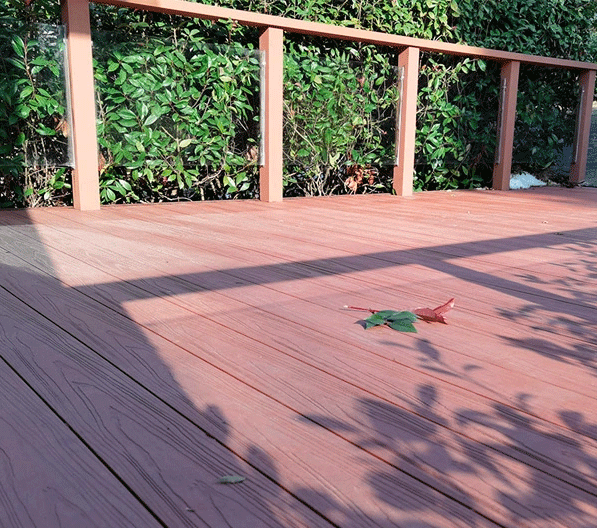
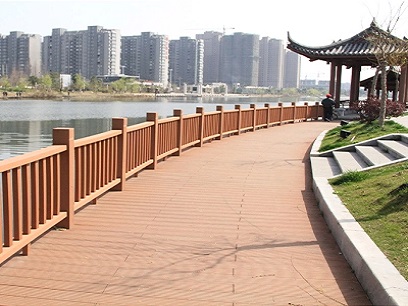
Co extrusion cladding delivers the most commercial value for: residential villa and private home exterior walls where long-term appearance and low maintenance are the primary buyer requirements, hotel and resort façades where consistent appearance across large surface areas and minimal maintenance intervention are operational requirements, commercial building exteriors where the cladding must maintain its appearance through years of weather exposure without fading or staining, poolside and coastal installations where high humidity, salt air, and UV exposure create the most demanding outdoor conditions for composite materials, and garden and landscape wall applications where biological growth from soil contact and shaded conditions makes mold resistance a critical performance requirement.
Procuring the right co extrusion cladding for a specific outdoor building project requires systematic pre-order confirmation of performance requirements, profile specifications, climate conditions, and installation requirements — and maintenance practices that protect the cladding's appearance and performance through its service life.
Before requesting a quotation for co extrusion cladding, prepare and confirm the following:
Confirm the project type — villa, hotel, commercial façade, garden wall, balcony, poolside, or landscape — and verify that the selected cladding profile is appropriate for the specific application and installation surface
Confirm whether the board is fully capped or partially capped — and verify that the cap coverage is appropriate for the moisture and UV exposure conditions of the installation environment
Confirm the UV resistance specification — and request test data or certification that demonstrates the cap layer's UV resistance performance under the solar radiation conditions of the installation location
Confirm the water absorption performance — and verify that the selected product's moisture resistance is appropriate for the humidity, rainfall, and coastal exposure conditions of the project
Confirm the color and texture options — and verify that the selected color and texture are available in the required quantity with consistent batch-to-batch color matching
Confirm the profile dimensions and installation system — and verify that the selected profile geometry, fastener system, and expansion gap design are appropriate for the installation surface and climate conditions
Confirm the test reports and certifications available — and verify that the supplier can provide the documentation required for project approval, building permit, or client specification compliance
Confirm the warranty terms — and verify that the warranty coverage, duration, and conditions are appropriate for the project's performance expectations and after-sales risk management requirements
Rinse dust and dirt with clean water regularly — preventing the accumulation of organic debris that can support biological growth on the cladding surface
Use mild soap for common stains — the polymer cap surface is easier to clean than porous composite surfaces, but prompt cleaning of oil, food, and plant stains prevents permanent marking
Avoid strong solvents or harsh chemicals — aggressive cleaning chemicals can damage the polymer cap surface and reduce its UV resistance and stain resistance performance
Keep drainage and ventilation behind cladding panels — proper drainage prevents moisture accumulation behind the cladding that can support biological growth and accelerate fastener corrosion
Follow recommended expansion gaps during installation — correct expansion gap specification allows the cladding to expand and contract with temperature changes without creating stress that could damage the profile or fastener connections
Inspect fasteners and joints periodically — verifying that fasteners remain secure and joints remain properly sealed prevents moisture ingress that can affect the cladding's long-term performance
Sundi's installation guidance for co-extrusion wall cladding emphasizes preparing a clean, dry wall surface, using appropriate fasteners, installing from the bottom upward, leaving gaps between cladding panels for expansion, and sealing edges and joints to help prevent moisture ingress.
In 2026, the distributors, builders, and outdoor material brands that achieve the strongest after-sales performance, the lowest warranty claim rates, and the most consistent customer satisfaction from their outdoor cladding products are those that have made the transition from traditional single-layer WPC extrusion to modern co extrusion cladding — investing in the protective polymer cap technology that defends the composite core against the UV radiation, moisture, temperature cycling, and biological growth that generate the fading, cracking, swelling, and mold complaints that damage business relationships and erode margins. The performance difference between capped and uncapped WPC extrusion is not a marketing claim — it is a material science reality that becomes visible in the field over two to five years of outdoor exposure, and the procurement decision that determines which side of that performance difference a project lands on is made at the specification stage, not after installation.
Sundi provides WPC decking, fencing, cladding, railing, garden products, installation resources, product documentation, factory and quality control support, and co-extrusion cladding solutions for residential, commercial, landscape, and outdoor architectural projects.
Contact Sundi today to discuss your project size, color requirements, profile selection, climate conditions, installation system, and bulk purchasing plan for co-extrusion wall cladding. Sundi can help evaluate the right co extrusion cladding specification for your outdoor building project and provide the product documentation, quality assurance, and supply reliability that premium outdoor material procurement requires.
Q1: What is WPC extrusion and how does it differ from traditional timber cladding?
WPC extrusion is a manufacturing process that combines wood fibers or wood flour with thermoplastic materials and additives, then extrudes the mixture into profiles such as wall cladding, decking, fencing, and outdoor panels. Compared with traditional timber cladding, WPC extrusion products offer better moisture resistance, dimensional stability, and lower maintenance requirements — without the painting, staining, and rot treatment that natural timber requires. Modern co-extrusion technology further improves on basic WPC extrusion by adding a protective polymer outer cap that shields the composite core from UV radiation, moisture, stains, and biological growth.
Q2: What is co extrusion cladding and how does it work?
Co extrusion cladding is a WPC wall cladding product made with a structural composite core and a protective outer polymer layer that are extruded together simultaneously in a single manufacturing process. The core provides structural strength and dimensional stability, while the outer cap acts as a protective shield against UV radiation, moisture, stains, scratches, and biological growth. Sundi describes co-extrusion cladding as combining the best properties of different materials to create high-performance composite products for exterior applications.
Q3: What is the difference between capped and uncapped WPC extrusion?
Capped WPC extrusion includes a protective outer polymer layer over the composite core — providing UV resistance, moisture barrier performance, stain resistance, and mold protection that the composite core alone cannot deliver. Uncapped WPC extrusion leaves the wood-plastic composite surface directly exposed to outdoor conditions — providing good structural performance but leaving the surface vulnerable to UV fading, moisture absorption, staining, and biological growth over time. For long-term façade projects where color retention, water resistance, lower maintenance, and after-sales confidence are priorities, capped co-extrusion is the technically superior choice.
Q4: Is co-extrusion cladding better for outdoor walls in humid or coastal environments?
Yes, for most outdoor wall applications in humid, coastal, or high-UV environments. Co-extrusion cladding is designed to resist UV rays, moisture, and temperature fluctuations — with the protective polymer cap reducing direct moisture contact with the wood-fiber-containing core, limiting the conditions that support mold and mildew growth, and providing better long-term color and surface stability than uncapped WPC extrusion. For coastal installations where salt air, high humidity, and intense UV exposure create the most demanding outdoor conditions, the protective cap layer provides the additional performance margin that makes co-extrusion cladding the appropriate specification.
Q5: How should co extrusion cladding be maintained to preserve its appearance?
Clean it regularly with water and mild soap to remove dust, dirt, and organic debris that can support biological growth. Avoid harsh chemicals or strong solvents that can damage the polymer cap surface. Keep drainage and ventilation behind the cladding panels to prevent moisture accumulation. Follow the recommended expansion gaps during installation to allow thermal movement without stress. Inspect fasteners and joints periodically to verify that connections remain secure and sealed. The polymer cap surface of co-extrusion cladding is easier to clean and maintain than porous composite or natural timber surfaces — making regular light maintenance sufficient to preserve the cladding's appearance through its service life.