Did you know a wooden fence isn’t just a one-time purchase? It’s more like a subscription—complete with annual staining, repairs, and weekend sacrifices spent sanding or painting. At first glance, timber may appear like a “cheaper” option, but savvy property owners in 2026 are looking deeper into long-term value. They’re asking: "What’s the Total Cost of Ownership over the next decade?"
Enter Wood-Plastic Composite (WPC) fencing, the innovation turning the fence industry on its head. By the time you hit your 48-month break-even point, a Sundi WPC fence not only outlasts wood—it starts saving you money. Let’s break it down.
It’s true: when it’s time to install a fence, the upfront cost of cedar or pressure-treated wood is roughly 30% lower than WPC options. But don’t stop there—because we’re about to uncover the hidden costs that catch homeowners by surprise.
Owning a wood fence comes with recurring costs that add up exponentially:
Staining and sealing: Approximately $300–$600 every 2–3 years, depending on fence size and local labor prices.
Repairs: Warped, chipped, or termite-damaged slats often require annual replacements.
DIY labor: Sanding, painting, and inspecting are time sinks that take away from family activities.
In comparison, WPC fencing requires nothing more than a quick rinse with a garden hose to stay looking brand new. Zero staining, zero sealing—zero hassle.
By the 4th year, with two rounds of wood staining and some inevitable repairs behind you, timber fencing officially outpaces WPC fencing in cumulative costs. Timber’s total cost includes labor, repairs, and products, but WPC’s operating cost remains flat—as low as $0 per year.
Sundi’s Wood-Plastic Composite fencing boasts high-performance material science enhancements, including:
A proprietary mix of high-density polyethylene (HDPE) and recycled wood fibers, engineered to resist the moisture absorption that triggers warping and rotting in traditional timber.
Co-extrusion technology: Sundi’s advanced production techniques, combined with factory-precise engineering, eliminate fading, splintering, and cracking over time.
Don't just take our word for it—compare WPC fence China quality and longevity yourself.
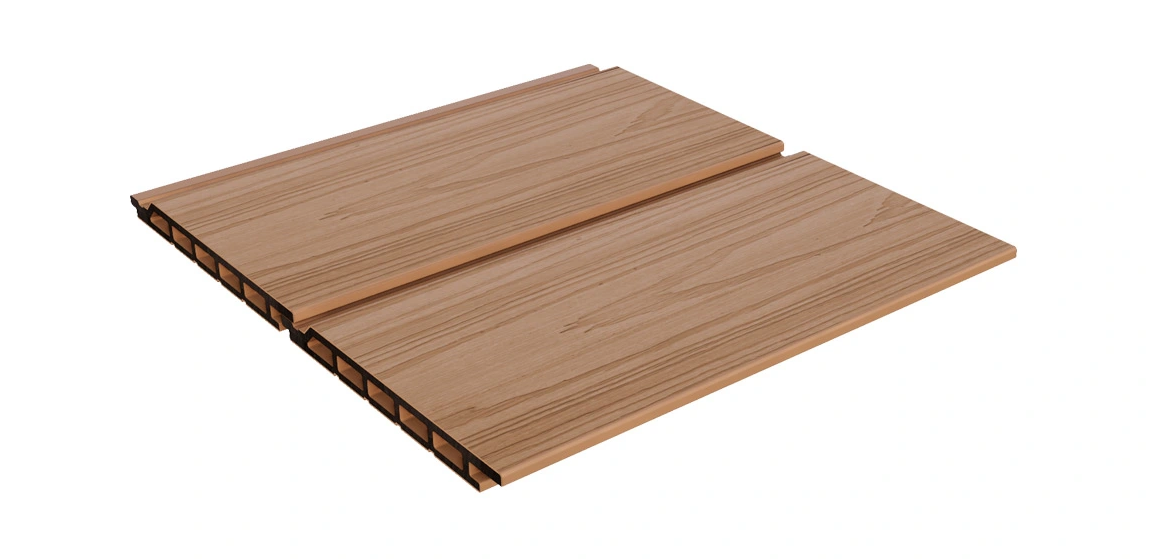
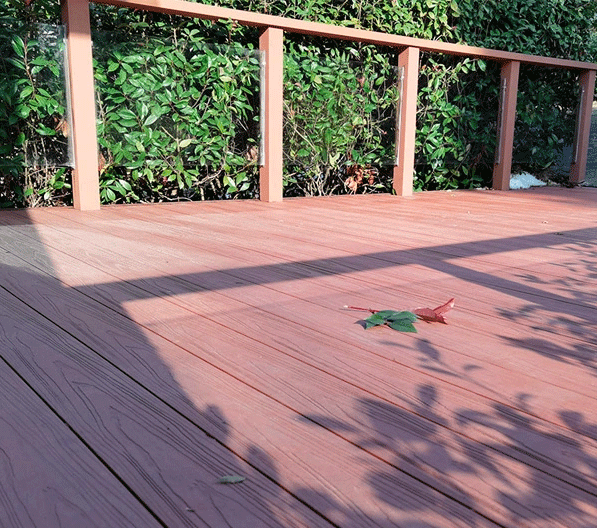
For homeowners concerned with curb appeal, WPC is the new champion. Sundi offers fences with 3D wood grain textures, delivering the rich and rustic feel of timber while offering the durability of high-quality engineered wpc decking material.
Unlike wood, which tends to fade and gray under long sun exposure, Sundi WPC incorporates modern UV inhibitors to maintain its pristine color profile for 25+ years. Additionally, it withstands harsh rain, fluctuating temperatures, and snow without cracking or swelling.
Timber fencing contributes to deforestation and excess chemical usage during maintenance. Sundi’s fencing, however, is made from recycled materials, giving sustainable-minded homeowners a guilt-free decision to upgrade their property.
As a trusted Wood-Plastic Composite brand, Sundi WPC fence stands out through high-volume manufacturing efficiency paired with quality control practices. Unlike generic fence panels sold in local hardware stores, Sundi brings:
Customization: Select panels in heights and colors such as Teak, Charcoal, and Walnut, tailored to your property.
Cost Efficiency: Direct-from-manufacturer pricing saves on retail markups, ensuring better value for buyers.
Make no mistake—the difference between a low-tier WPC product and Sundi’s high-end co-extrusion technology is night and day.
Before investing in a fence that will save you time, money, and headaches, take our quick checklist below to upgrade your boundaries:
Evaluate Your Current Fence: Is your wooden fence already battling faded patches, rot, or warped slats?
Estimate Maintenance Time: Are your weekends being monopolized by upkeep—or could you reclaim that leisure time with one simple switch?
Run the Numbers: Add up staining costs and repair labor over the next decade. Compare this to the cost of installing a Sundi WPC fence.
Consult Sundi’s Catalog: Browse our durable, cost-saving fence styles and get ready to turn your property into a long-term asset.
At first, installing a wood fence may look like a budget-friendly move. But savvy homeowners are discovering the "4-Year Flip." By year 4, Wood-Plastic Composite overtakes timber as the more affordable option thanks to zero maintenance costs and long-lasting durability.
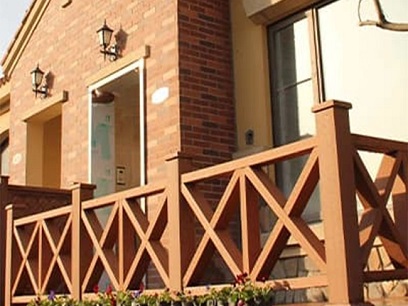
If you plan to turn your house into a home for years to come, a Sundi WPC fence could transform your property into an asset—both financially and visually. The invaluable aesthetic value generated from WPC implementation, such as a composite balustrade installation, will be unimaginable.
Q: Is a WPC fence more expensive than wood?
A: Initially, yes—wood is cheaper to install. However, by year 4, wood maintenance costs, including staining and repairs, overtake the flat cost of WPC. Over 10 years, WPC fencing is up to 40% cheaper.
Q: How long does a WPC fence last?
A: Sundi WPC fences are built to last 25+ years, far exceeding most wooden fences, which typically require replacement after 8–12 years.
Q: Is WPC eco-friendly?
A: Absolutely. Sundi WPC is made from recycled wood fibers and plastics, reducing waste while creating durable exteriors—so you can invest sustainably while boosting property value.
Feeling curious? Here’s a quick breakdown:
| Feature | Cedar / Pressure-Treated Wood | Sundi WPC Fence |
| Initial Cost (100 ft) | ~$1,500 | ~$2,000 |
| 5-Year Maintenance | ~$600 (Staining/Repairs) | $0 (Cleaning only) |
| 10-Year Total | ~$3,300 | $2,000 |
| Average Lifespan | 8–12 Years | 25+ Years |
Save over $1,300 in maintenance costs by upgrading to WPC fencing now!